
Joint care for dogs
Joint care for dogs
Does your dog have stiff joints?
“Stiff joints” is a general term for changes in the joint caused by normal or abnormal wear and tear. Because your dog’s joint pain directly impacts their mobility and how well they’re able to get around, it can have a serious effect on your dog’s quality of life.
For dogs who have stiff joints, the cartilage (the tissues that “cushions” the joint between the bones) is worn away faster than it is replaced. For example, when the cartilage in a dog’s hip joint wears away, mobility decreases, while pain and disability progressively develop. Although stiff joints are not curable, it is possible to improve joint health in your dog with nutrition and exercise.
There are many reasons why your dog could be experiencing joint pain associated with stiff joints.

Age
As dogs get older, joint cartilage will progressively wear away. While it is much more common in senior dogs, younger dogs can still suffer from stiff joints, too.

Breed
Certain breeds are more prone to developing stiff joints. “At-risk” dog breeds include Labrador Retrievers, Golden Retrievers, German Shepherds and Rottweilers.

Excess weight
Excess weight puts excess stress on your dog’s joints and cartilage, and increases the risk of stiff joints.

Accidents or trauma
Trauma to cartilage may lead to stiff joints later in life, and adversely affect mobility.

Congenital or hereditary defects
Some breeds may have congenital or hereditary conditions that make them more prone to developing stiff joints later in life.
There are many reasons why your dog could be experiencing joint pain associated with stiff joints.
Age
As dogs get older, joint cartilage will progressively wear away. While it is much more common in senior dogs, younger dogs can still suffer from stiff joints, too.
Breed
Certain breeds are more prone to developing stiff joints. “At-risk” dog breeds include Labrador Retrievers, Golden Retrievers, German Shepherds and Rottweilers.
Excess weight
Excess weight puts excess stress on your dog’s joints and cartilage, and increases the risk of stiff joints.
Accidents or trauma
Trauma to cartilage may lead to stiff joints later in life, and adversely affect mobility.
Congenital or hereditary defects
Some breeds may have congenital or hereditary conditions that make them more prone to developing stiff joints later in life.

What are the symptoms of stiff joints?
If you notice any of the following warning signs of joint pain in your dog, then they may be suffering from stiff joints, and you should consider scheduling a consultation with your veterinarian.

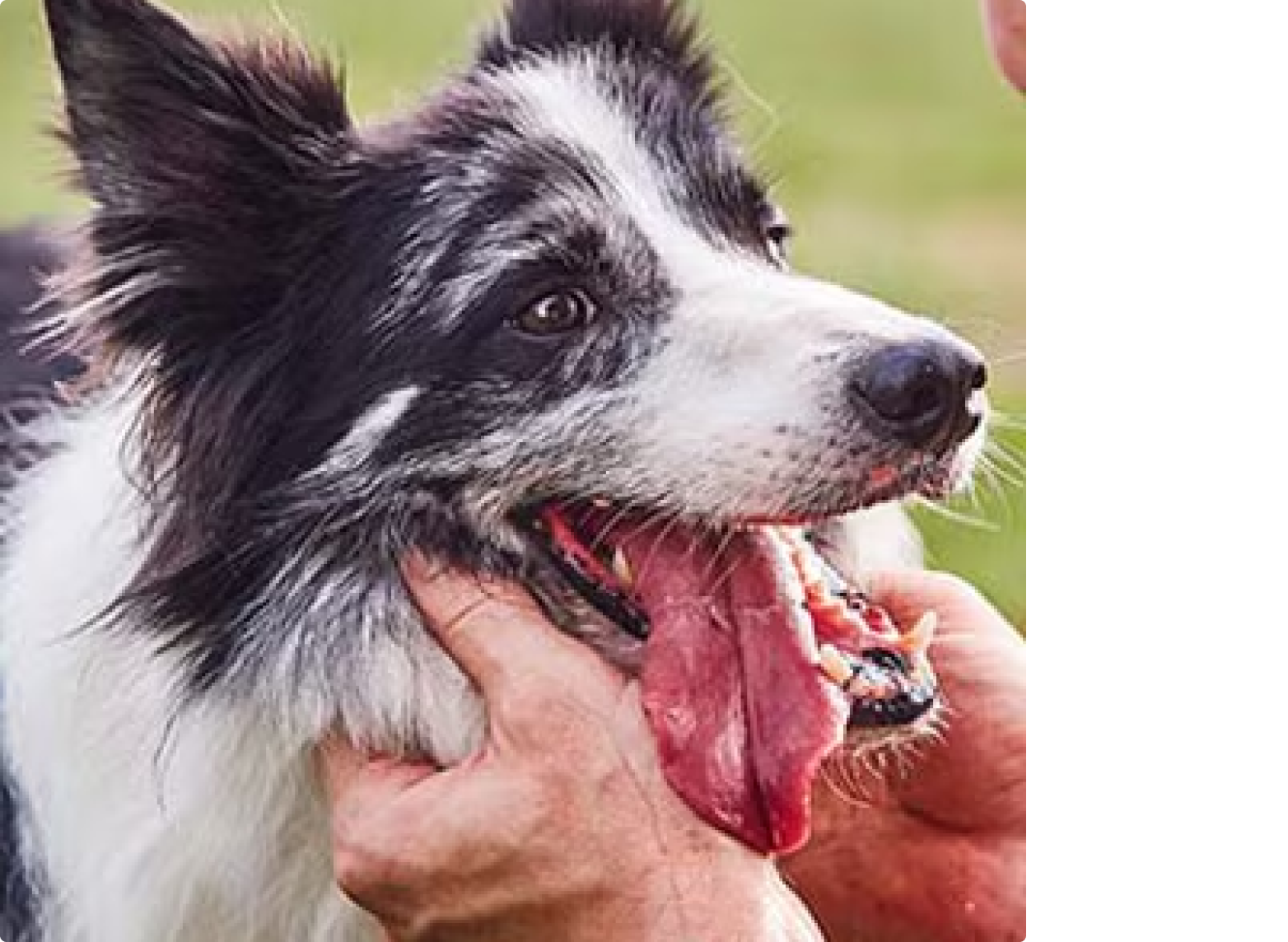
Joints and exercise
Gentle exercise is extremely good for your dog. Not only will it help keep their joints moving freely, but it will help them stay at a healthy weight and keep excess stress off their joints, which are important to their overall joint health.
The key is to control the amount of exercise, so your dog does not overexert their joints. Given an open space, your dog will usually happily run and run until they can’t any more, due to energy or the way their joints feel, and they may pay the price in terms of pain and limping. But by allowing a little bit of running and then putting them back on their leash for a while and taking a gentle stroll, you can control the exercise and let your dog get enough of a workout to burn off energy and keep joints mobile without causing damage.
Always remember, if you’re worried about your dog getting more exercise than is beneficial, your veterinarian will be happy to advise you a sensible canine exercise regime.
Choosing the right dog food for joint health
The food your dog eats can also influence their joint health and mobility. Balanced nutrition is an essential part of an active, healthy lifestyle for dogs. If you’re concerned about your dog’s joint health, ask your veterinarian about Hill’s Prescription Diet j/d.
Related products
Puppy Sensitive Stomach & Skin Salmon & Brown Rice Recipe
Delicious, highly digestible recipe, gentle on stomachs. Nourishes skin & promotes a lustrous coat

Adult Perfect Weight Small & Mini Chicken & Brown Rice Recipe Dog Food
Over 70% of dogs lost weight within 10 weeks when fed this nutrition (USA Study)

Hill's Science Diet Adult Sensitive Stomach & Skin Chicken Recipe Dog Food
Highly digestible recipe, gentle on stomachs. Nourishes skin & promotes a lustrous coat

w/d Multi-Benefit Chicken Flavor Wet Dog Food
Clinically tested nutrition formulated for multiple benefits: digestive health, weight management, blood sugar management and urinary health
Related articles

Managing Your Dogs Congestive Heart Failure
Learn to recognize the signs of congestive heart failure in dogs so you can give your dog the best chance of a longer, healthier life.

Tooth Extractions in Dogs: Causes, Procedures, Recovery & Prevention
Learn what a tooth extraction in dogs involves, what the recovery period is like and how you can help your dog avoid needing a tooth pulled in the future.

Side Effects of Rabies Vaccine in Dogs
Learn about common side effects of rabies vaccine in dogs, as well as less common reactions that indicate you should bring your dog to the veterinarian.

Dog Eye Boogers, Goop & Gunk: When Should You Be Concerned?
Learn about dog eye boogers, goop, gunk & crustiness: when it's normal vs. when it could be a health concern and which breeds & sizes are most susceptible.